When people imagine cosmetology school, they often picture haircutting, coloring, styling, makeup, nails, and the creative side of the beauty industry.
Those skills are certainly important.
But some of the most important habits a cosmetology student develops involve what happens before, during, and after every service: sanitation, cleanliness, infection control, and safe professional practices.
These responsibilities may not be the most glamorous part of cosmetology, but they are fundamental to protecting clients, maintaining a professional workplace, and building a successful career.
Beauty Services Require Professional Standards
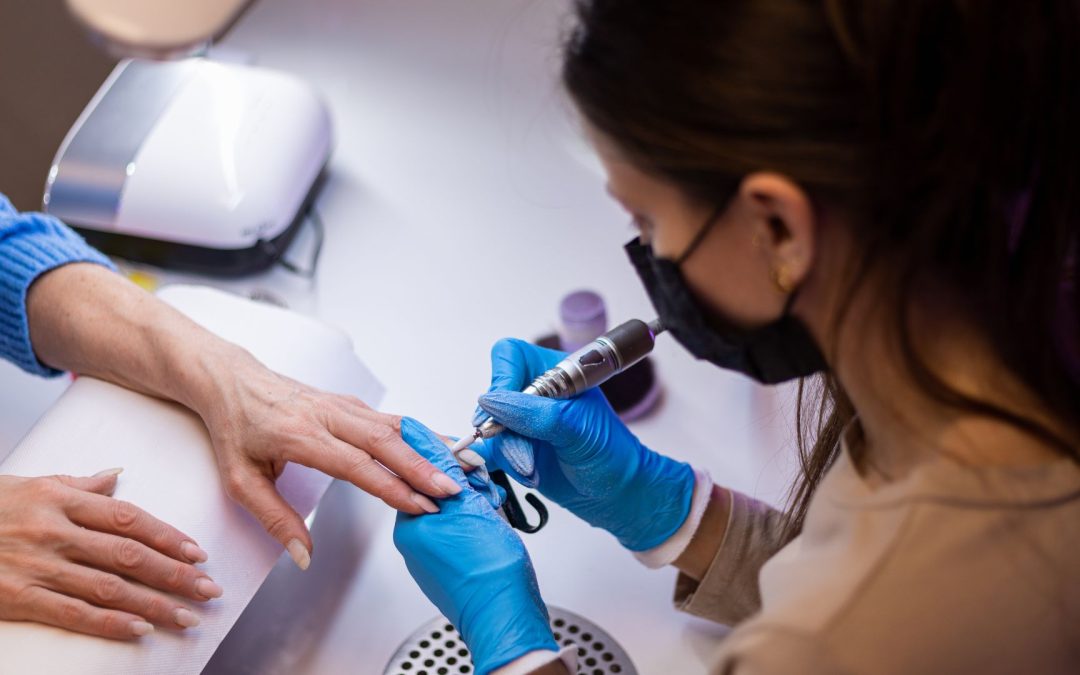
Cosmetologists work in close physical contact with clients.
They handle tools and equipment repeatedly throughout the day and may perform services involving hair, skin, scalp, and nails.
Because of that close contact, cleanliness cannot be treated as an afterthought.
A professional cosmetologist must know how to maintain tools, work surfaces, supplies, linens, and personal hygiene according to appropriate professional standards.
Students who take sanitation seriously during training are developing habits that will follow them into the salon.
Cleanliness Creates Client Confidence
Clients notice the environment around them.
They notice whether the workstation looks organized. They notice whether tools appear clean. They notice whether towels and capes are fresh and whether the professional washes or sanitizes their hands appropriately.
A clean environment sends an immediate message.
It tells the client that procedures matter and that their wellbeing is being taken seriously.
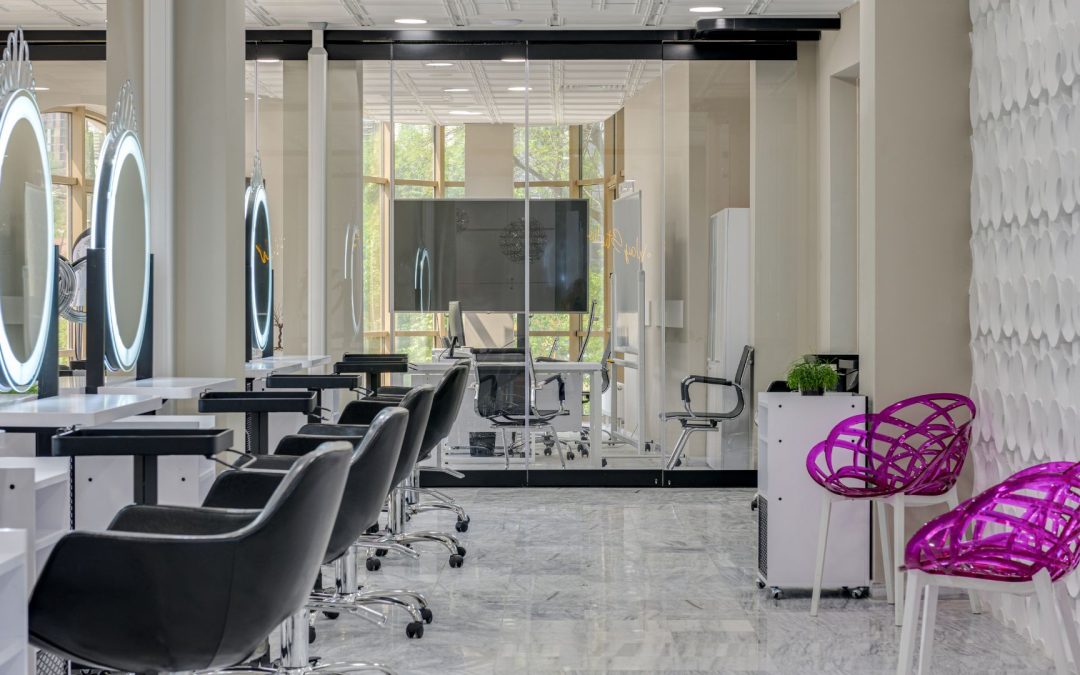
Even a beautifully designed salon can lose credibility if workstations appear dirty or tools are handled carelessly.
Professional sanitation contributes directly to the overall client experience.
Cleaning and Disinfection Are Different Responsibilities
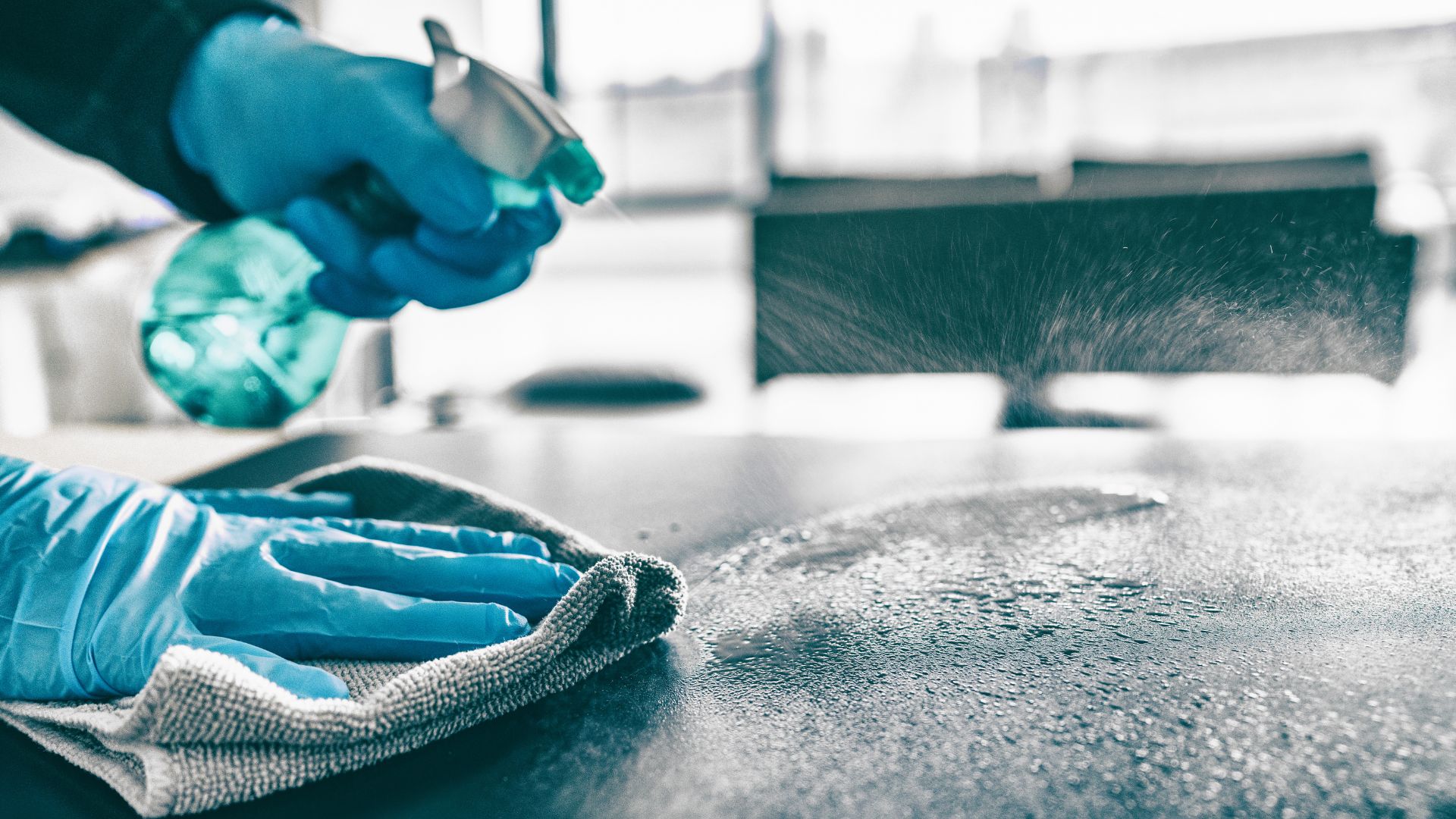
One important part of professional education is learning that simply making something look clean is not necessarily the same as preparing it properly for professional use.
Visible debris must be removed, and reusable tools and surfaces must be handled according to the applicable procedures for the service being performed.
Students need to understand which items can be reused, how they should be processed, which supplies are designed for single use, and how clean and used items should be stored and separated.
These routines become increasingly natural with repetition.
That is why sanitation should be practiced throughout cosmetology education rather than studied only as a theory topic.
Workstation Organization Matters
An organized station can make sanitation easier.
When clean tools, used tools, disposable supplies, products, and personal belongings all have designated places, the cosmetologist is less likely to mix items or interrupt a service unnecessarily.
Organization also improves efficiency.
A professional who knows where everything belongs can concentrate on the client instead of searching for supplies.
Students can begin developing these routines while they are still learning.
How a workstation is prepared is part of how a professional works.
Infection Control Protects Everyone
Good practices protect more than the person sitting in the chair.
They help protect the cosmetologist, coworkers, and every client who uses the workspace afterward.
Professionals should also know when a service should not proceed.
Learning to recognize situations that may require postponing a service or referring a client to an appropriate healthcare professional is part of responsible practice.
Cosmetologists are beauty professionals, not medical providers.
Knowing the boundaries of the profession is itself an important professional skill.
Habits Matter More Than Occasional Effort
Sanitation works best when it becomes routine.
A professional should not need to remember to care about cleanliness only when someone is watching.
Tools are handled correctly because that is how tools are always handled. Surfaces are prepared because that is how every service begins. Used items are separated because that is simply part of completing the service.
Developing this level of consistency takes practice.
Cosmetology school provides an environment where students can begin turning procedures into habits.
By graduation, professional routines should feel like an ordinary part of performing a service rather than an additional task.
Professionalism Extends Beyond Technical Talent
A cosmetologist can be extremely creative and still struggle professionally if basic workplace standards are ignored.
Employers and clients expect more than artistic talent.
They expect reliability, organization, communication, cleanliness, appropriate appearance, and respect for professional procedures.
Sanitation connects all of these qualities.
It requires discipline.
It demonstrates attention to detail.
It shows respect for coworkers and clients.
It also contributes to the reputation of the salon or business where the cosmetologist works.
Training Helps Create Career-Ready Professionals
Cosmetology education is not simply about learning how to create a finished look.
It is about learning how to deliver beauty services professionally.
That means developing technical ability while also understanding the responsibilities that accompany working with real clients.
Students at ZMS The Academy have the opportunity to build professional habits alongside practical cosmetology skills as they prepare for careers in the beauty industry.
Cutting, coloring, styling, and creativity may attract someone to cosmetology in the first place.
But professionalism—including sanitation and infection control—is what helps turn those creative abilities into a sustainable career.
For anyone considering cosmetology school, learning how to work safely, cleanly, and professionally should be viewed as an essential part of becoming a beauty professional.