Beauty careers are no longer limited to the traditional salon chair. Today’s beauty industry includes salons, spas, med spas, permanent makeup studios, body contouring businesses, skincare clinics, barbershops, freelance beauty work, education, product sales, and advanced aesthetic services.
For students who are researching beauty school, cosmetology training, esthetician school, electrology, permanent makeup, or body contouring career paths, it is important to understand how broad the industry has become. A strong vocational beauty education can help students build the foundation for multiple career directions while learning professionalism, sanitation, client care, and hands-on technical skills.
Beauty Careers Are Expanding Beyond Traditional Salon Work
Traditional salon careers remain an important part of the beauty industry. Hairstylists, barbers, color specialists, nail technicians, and makeup artists continue to serve clients in salons, barbershops, spas, and freelance settings. However, many beauty professionals are also exploring advanced aesthetic services that may take them into med spa environments, wellness-focused businesses, permanent makeup studios, body contouring practices, and specialized hair removal services.
The U.S. Bureau of Labor Statistics projects employment growth from 2024 to 2034 for several personal appearance careers, including barbers, hairstylists, cosmetologists, skincare specialists, manicurists, and pedicurists. These projections suggest continued demand for trained personal care professionals, especially those who can combine technical skill with professionalism and client service.
Cosmetology: A Broad Foundation for Beauty Careers
Cosmetology is one of the most flexible starting points for students who want a broad beauty education. A cosmetology program may include hair cutting, color, texture, makeup, skin, nails, sanitation, customer service, retail skills, business ethics, and salon administration.
At ZMS The Academy, the Cosmetology Program includes 1,000 clock hours and is designed to prepare students for entry-level cosmetology opportunities. The curriculum includes intensive instruction and practical experience in cutting, men’s cutting, color, texture, long hair, makeup, skin, nails, customer service, personal appearance and hygiene, personal motivation and development, retail skills, guest record-keeping, business ethics, sanitation, state laws and regulations, salon-type administration, and job interviewing.
This type of broad training may support many possible career directions, including salon hairstylist, freelance hairstylist, makeup artist, hair color specialist, beauty consultant, photo stylist, platform artist, salon owner or manager, manufacturer representative, or beauty educator.
Esthetics: Skin Care, Spa Services, and Aesthetic Career Paths
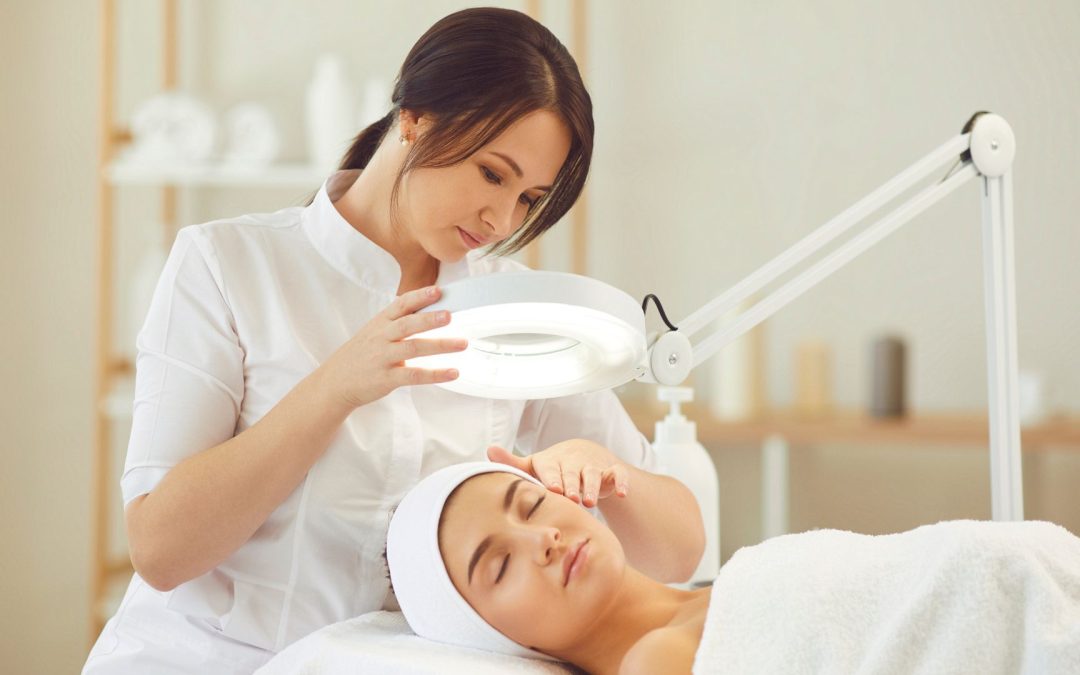
Esthetics is a strong path for students who are interested in skin care, facials, makeup application, hair removal, product knowledge, client consultation, and spa services. Estheticians often work in salons, spas, skincare studios, wellness environments, and beauty retail settings.
ZMS The Academy’s Esthetician Program includes 600 clock hours and provides instruction and practical experience in skin, facials, hair removal, makeup application, customer service, hygiene, retail skills, guest record-keeping, business ethics, state laws and regulations, salon-type administration, and job interviewing.
For students interested in med spa-adjacent careers, esthetics can be a valuable foundation. However, students should always understand the legal scope of practice in their state. Some services may require a specific license, physician supervision, medical credentials, or additional certification depending on the state, service, and setting.
Electrology: Permanent Hair Removal and Specialized Aesthetic Services
Electrology is a specialized beauty and aesthetic career path focused on permanent hair removal. It may appeal to students who enjoy precision work, client consultation, technical procedures, and long-term treatment planning.
ZMS The Academy’s Electrology Program includes 600 clock hours. The program prepares students to permanently remove hair from the scalp, face, and body using specialized charged solid needle probes. Instruction includes direct current electrolysis, alternating current or high-frequency thermolysis, blend or dual modality treatments, equipment theory and operation, safety and sanitation, client evaluation and care, laws and regulations, and business practices.
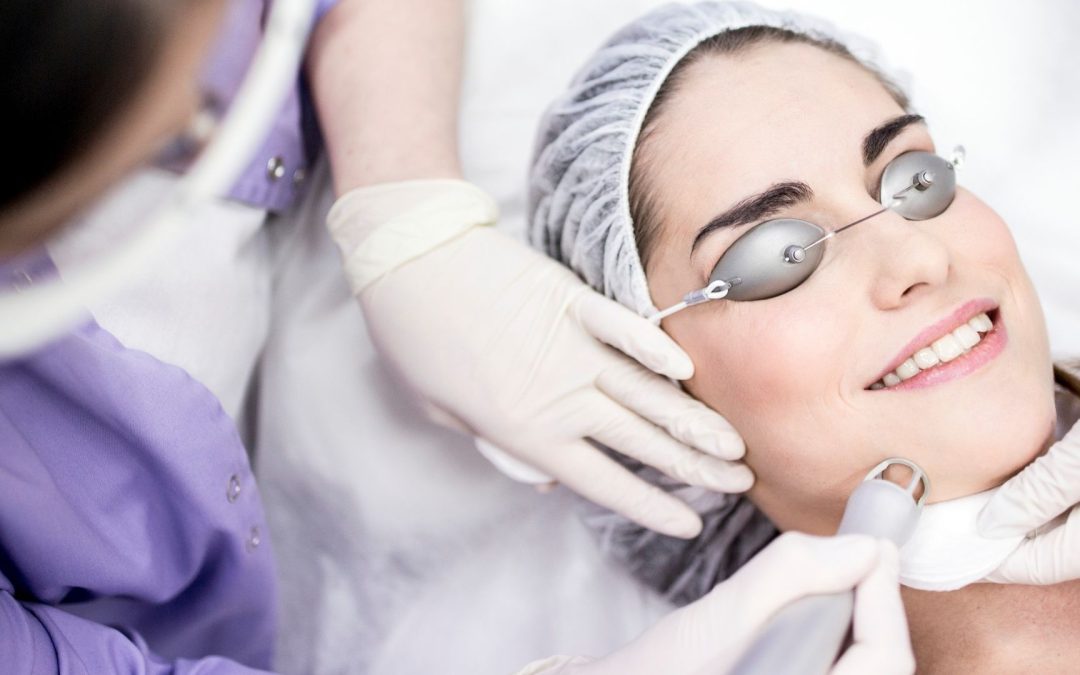
Electrology can connect to advanced aesthetic environments because permanent hair removal may be offered in electrology offices, beauty studios, and med spa settings where allowed by law. ZMS The Academy’s catalog also lists med spa worker as one possible career opportunity for electrology graduates.
Permanent Makeup and Body Art: Creative Beauty With Compliance Responsibilities
Permanent makeup and body art careers combine beauty, artistry, sanitation, skin knowledge, client communication, and regulatory awareness. These services may include cosmetic tattooing, eyebrow enhancement, lip color, camouflage work, and other forms of pigment implantation where legally permitted.
ZMS The Academy’s Body Art Technician for Permanent Makeup & Tattoo for Beginners Program includes 600 clock hours. The catalog describes training in the application of implanting pigment into the skin for permanent cosmetic enhancement, along with customer service, personal appearance and hygiene, personal motivation and development, retail skills, guest record-keeping, business ethics, state laws and regulations, salon-type administration, and job interviewing.
Because permanent makeup and tattoo-related services involve skin penetration, students should take compliance seriously. Requirements can vary by state, county, and local health department. Students should research applicable body art, bloodborne pathogen, sanitation, facility, and practitioner registration rules before offering services.
Manicuring and Nail Careers: A Focused Path With Creative Opportunity
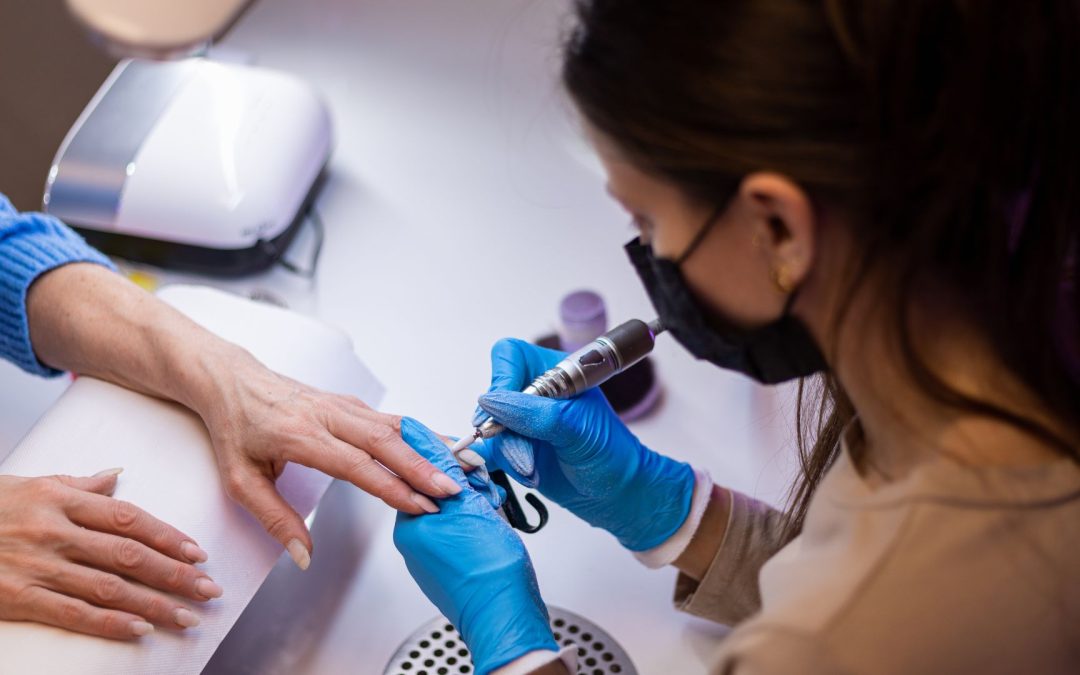
Nail careers are another example of beauty work expanding beyond the basics. Nail technicians may work in salons, spas, freelance settings, editorial beauty, entertainment, cruise ships, product education, or independent nail studios.
ZMS The Academy’s Manicuring Program includes 400 clock hours and trains students in nails, nail application, customer service, hygiene, retail skills, guest record-keeping, business ethics, state laws and regulations, salon-type administration, and job interviewing.
For creative students, manicuring can offer opportunities in nail art, specialty designs, client retention, and beauty entrepreneurship. Like every beauty field, success depends on more than talent. Professional sanitation, client communication, consistency, and business habits matter.
Body Contouring: A National Topic in Modern Beauty and Wellness
Body contouring has become a widely discussed topic in the beauty, wellness, and aesthetics industries. Non-invasive body contouring services may include treatments marketed around body sculpting, inch loss, skin tightening, cavitation, radiofrequency, vacuum therapy, or lymphatic-style services, depending on the provider and technology used.
Students and beauty professionals should approach body contouring with a compliance-first mindset. Rules can vary widely by state and by service type. Some equipment or procedures may be restricted, may require medical supervision, or may fall outside the scope of a cosmetology, esthetician, or electrology license. Before offering any body contouring service, professionals should review state laws, local rules, insurance requirements, manufacturer training, contraindications, client consent, sanitation protocols, and advertising standards.
This is where national certification and industry education can help. A future internal link to the National Body Contouring Council can support readers who want to better understand ethical body contouring education, professional standards, and responsible client care.
Med Spa Careers: Know the Difference Between Beauty and Medical Services
Med spas often blend beauty, wellness, and medical aesthetics. They may offer services related to skin care, hair removal, body contouring, injectables, lasers, or other advanced treatments. However, not every beauty license allows a professional to perform every med spa service.
Students should be careful not to assume that one beauty license automatically authorizes all advanced aesthetic procedures. Services involving lasers, injections, prescription products, medical devices, or diagnosis may require medical credentials, physician oversight, nursing licensure, or other state-specific authorization.
For beauty students, the best first step is to build a strong licensed or vocational foundation, understand sanitation and client safety, and then research the additional training or credentials required for the services they want to provide.
Why Licensing and Scope of Practice Matter
One of the most important lessons for future beauty professionals is understanding scope of practice. Scope of practice means the services a license, registration, credential, or state regulation allows a professional to perform.
The California Board of Barbering and Cosmetology provides licensing information for cosmetology, barbering, esthetics, manicuring, and electrology in California. Students should also review local rules and, when applicable, health department requirements for body art, permanent makeup, tattooing, and other services.
A professional beauty career should be built on both skill and compliance. Following the law protects clients, protects the practitioner, and supports long-term trust in the beauty industry.
How ZMS The Academy Helps Students Build a Career Foundation
ZMS The Academy offers vocational beauty programs designed to prepare students for entry-level opportunities in the beauty industry. The Academy’s programs include Cosmetology, Barbering, Esthetician, Manicuring, Body Art Technician for Permanent Makeup & Tattoo for Beginners, and Electrology.
Across these programs, students are introduced to technical skills, practical training, sanitation, customer service, personal appearance and hygiene, state laws and regulations, business ethics, salon-type administration, retail skills, guest record-keeping, and job interviewing. These areas are important because modern beauty professionals need to be skilled, safe, professional, and career-ready.
ZMS The Academy does not guarantee employment, but its catalog notes that the school maintains job placement efforts, informs students of job openings and opportunities, and coordinates with local and national salons through surveys, guest artists, and seminars.
Questions Students Should Ask Before Choosing an Advanced Beauty Career
Before choosing a beauty career path, students should ask themselves what type of work environment they want. Do they want to work in a salon, spa, med spa, studio, barbershop, permanent makeup space, electrology office, freelance business, or educational setting?
Students should also ask what services they want to provide, what license or credential is required, how long training takes, what the cost of education will be, whether financial aid is available for those who qualify, and what additional certifications or permits may be needed after graduation.
It is also wise to review labor market information through the U.S. Bureau of Labor Statistics, school catalogs, state licensing boards, and official regulatory agencies before making a decision.
Financial Aid and Training Options
Students interested in beauty career training should ask about tuition, supplies, schedules, enrollment requirements, payment plans, and financial aid options. ZMS The Academy participates in U.S. Department of Education federal student aid programs, and financial aid is available for those who qualify.
Students can review official FAFSA information through Federal Student Aid and should speak directly with the school’s Financial Aid Director to understand eligibility, required documentation, and repayment responsibilities.
Beauty Careers Can Grow With You
The beauty industry offers many possible career paths. Some professionals begin in cosmetology and later specialize in color, makeup, education, or salon ownership. Others begin in esthetics and explore skincare, spa services, retail, or advanced aesthetics. Some choose electrology, permanent makeup, body art, manicuring, or body contouring-related education as part of a specialized career plan.
The key is to start with credible training, understand your legal scope of practice, build strong sanitation and client care habits, and continue learning as the industry evolves.
Start Building Your Beauty Career Foundation
If you are interested in beauty careers beyond the salon, ZMS The Academy can help you explore training options in cosmetology, barbering, esthetics, manicuring, permanent makeup, body art, and electrology.
Contact ZMS The Academy to learn more about admissions, schedules, program requirements, financial aid for those who qualify, and the next step toward your future in the beauty and aesthetics industry.